
🥗 Healthy Nutrition
Understand the basics of balanced eating, food variety, hydration and practical ways to build healthier meals.
Practical health information about nutrition, physical activity, sleep, mental wellness, hygiene, prevention and healthier everyday habits.
Good health is built through many everyday choices rather than one single habit. A balanced diet, regular movement, sufficient sleep, personal hygiene, emotional well-being and appropriate healthcare all have an important place in a healthy lifestyle.
Understand the basics of balanced eating, food variety, hydration and practical ways to build healthier meals.
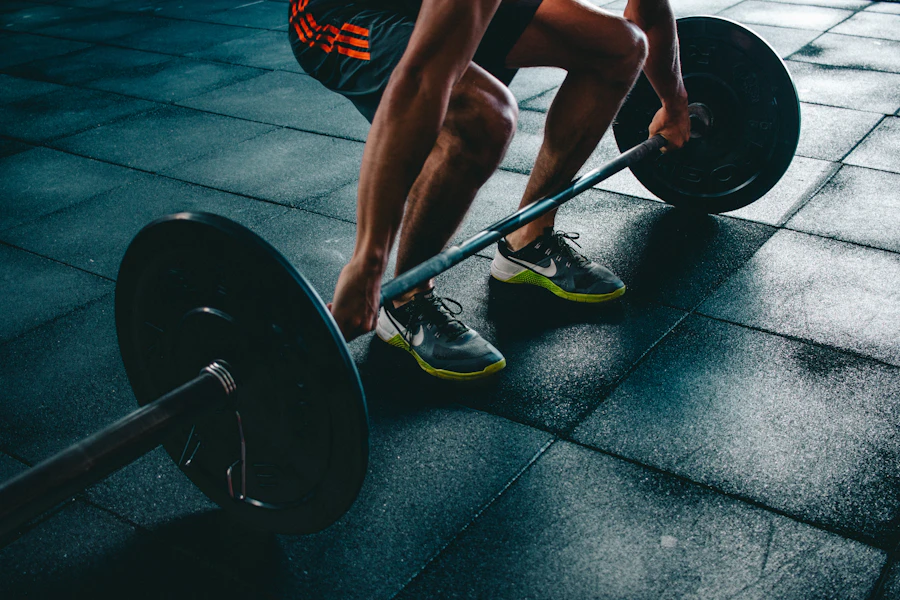
Learn how regular movement can support physical fitness, strength, mobility, sleep and overall well-being.

Explore practical sleep habits that can help create a consistent and comfortable nighttime routine.
Health is broader than simply being free from illness. It includes physical well-being as well as mental and emotional well-being. Daily habits, living conditions, access to healthcare and individual circumstances can all influence health.
A healthy lifestyle does not require perfection. The more useful approach is to build realistic habits that can be maintained over time. Small improvements in food choices, movement, sleep and personal care can become part of a sustainable routine.
Food provides energy and nutrients needed for normal body functions. A healthy diet can look different from one person and culture to another, but WHO identifies adequacy, balance, moderation and diversity as important principles of healthy eating.
Instead of relying on the same few foods every day, try to include different food groups. Fruits and vegetables can provide vitamins, minerals and fibre, while whole grains, legumes, nuts and other nutritious foods can contribute important nutrients.
Healthy eating is about the overall pattern of your diet, not about making one food completely good or bad. Personal nutritional needs can vary because of age, activity level, medical conditions and other circumstances.
Water is essential for normal body functions. Daily fluid needs can vary depending on factors such as temperature, physical activity, diet and individual health circumstances.
People with certain medical conditions may have specific fluid requirements or restrictions, so individual medical advice should take priority over general hydration guidance.
Physical activity includes more than formal exercise. Walking, cycling, household activities, active recreation and planned workouts can all contribute to daily movement. Regular physical activity is associated with physical and mental health benefits.
WHO recommends that adults aged 18–64 aim for at least 150–300 minutes of moderate-intensity aerobic activity per week, or an equivalent amount of vigorous activity. Adults should also include muscle-strengthening activities on at least two days each week.
You do not have to begin with a demanding workout. Starting with manageable amounts of walking or other suitable movement and gradually increasing activity can make a routine easier to maintain. Even some physical activity is better than none.
Sleep gives the body and mind time to rest and recover. A consistent sleep routine can make it easier to prepare for bedtime and maintain regular daily patterns.
If sleep difficulties continue for a long period or significantly affect daily life, discussing them with a qualified healthcare professional can help identify possible causes and appropriate care.
Mental well-being affects how people cope with everyday challenges, learn, work and interact with others. Stress is a normal response to difficult situations, but prolonged or excessive stress can affect both mental and physical well-being.
Mental wellness is different for every person. Seeking professional support is a normal part of looking after health and does not mean someone has failed to manage a problem on their own.
Personal hygiene helps people maintain cleanliness and can reduce exposure to some germs and preventable infections. Good hygiene is especially important when preparing food, caring for children or interacting closely with others.
Preventive healthcare focuses on reducing health risks and finding certain problems early. Prevention can include appropriate vaccinations, routine health checks, healthy lifestyle habits and awareness of personal risk factors.
Screening and vaccination recommendations are not identical for everyone. Age, sex, pregnancy status, medical history and personal risk factors can affect what is appropriate.
A healthy routine does not need to be complicated. The goal is to combine several reasonable habits throughout the day rather than trying to change everything at once.
Start the day with personal hygiene, hydration and a nutritious breakfast or meal pattern that fits your needs. A short walk or gentle movement can also help you become active early in the day.
Eat balanced meals, drink fluids regularly, stay physically active and take breaks from long periods of sitting or continuous screen-based work.
Give yourself time to slow down, enjoy a balanced meal and reduce unnecessary stimulation as bedtime approaches.
Follow a consistent sleep routine and create a comfortable environment that allows your body and mind to rest.
Healthy living is easier to maintain when habits are realistic. Instead of attempting a complete lifestyle change overnight, choose a few practical improvements and build on them gradually.
General health information can support awareness, but it cannot determine the cause of an individual symptom. A healthcare professional can consider a person's medical history, examination findings and, when necessary, appropriate tests.
Consider seeking professional medical advice when a symptom is persistent, worsening, unusual for you, affecting normal daily activities or causing significant concern. Urgent symptoms should receive prompt medical attention rather than being managed through online health information alone.
Health information can change as scientific evidence develops. For important health decisions, use information from recognized public-health organizations and qualified healthcare professionals.
The information provided by InfoHub is intended for general educational and awareness purposes. It is not a substitute for personalized medical care.
The information provided on this page is for general educational and informational purposes only. It is not intended to diagnose, treat, cure or prevent any disease or medical condition. Health needs can differ from person to person. Always consult a qualified healthcare professional for personal medical advice, diagnosis, treatment, medication decisions or questions about a specific medical condition.